
The Nervixol blog is a plain-language library of nerve-health guides: what each ingredient is, how it is thought to work, what the research does and does not show, and the everyday habits that support nerves in the hands and feet. Nothing here diagnoses or treats a condition — if numbness, tingling or burning is new, getting worse or affects one side only, see a doctor first.
The structural fats built into every nerve-cell membrane — how DHA keeps membranes fluid, what EPA does, fish oil vs algae oil, and the EPA+DHA number that really counts on a label.
Read the guide →
The sunshine vitamin that behaves like a hormone — the receptors on nerve cells, its link to nerve-protective factors, D2 vs D3, and why a blood test beats guessing.
Read the guide →
The molecule that powers energy-hungry nerve cells and doubles as a fat-soluble antioxidant — ubiquinone vs ubiquinol, why absorption is everything, and the age-related decline.
Read the guide →
Two forms of vitamin B1, one big difference — why the fat-soluble form is absorbed differently, the dosage gap between them, and how to decide which belongs in your routine.
Read the guide →
The precursor to glutathione, the body's master antioxidant — how NAC keeps nerve-cell defences supplied, NAC vs glutathione, dosage context and how to read the label.
Read the guide →
The bright-orange berry behind the label's antioxidant blend — the rare omega-7 fatty acid, the flavonoids, berry oil vs seed oil, and how to read it on a label.
Read the guide →
Why bamboo is the richest plant source of silica, how the mineral supports the collagen framework around nerves and vessels, and what the label percentage means.
Read the guide →
How B12 and folate support myelin, B1 fuels nerve energy and B6 aids signalling — deficiency signs, the vitamin B6 safety point, and why testing beats guessing.
Read the guide →
The energy side of nerve support — how ALCAR fuels mitochondria, how it differs from plain L-carnitine, the dosage context and how to read the form on a label.
Read the guide →
The mineral that keeps nerve signalling steady — how it counterbalances calcium, which absorbable form to choose (glycinate, citrate, threonate), and the elemental-amount trap.
Read the guide →
The versatile antioxidant featured on the Nervixol label — how it reaches nerve cells, the dosage context, food sources and how to read it on a label.
Read the guide →
Why circulation and nerve comfort are linked, how ginkgo supports blood flow to the extremities, and why the standardised extract on the label matters most.
Read the guide →
What an adaptogen actually does, the withanolide compounds behind ashwagandha, and how supporting the stress response helps the environment your nerves live in.
Read the guide →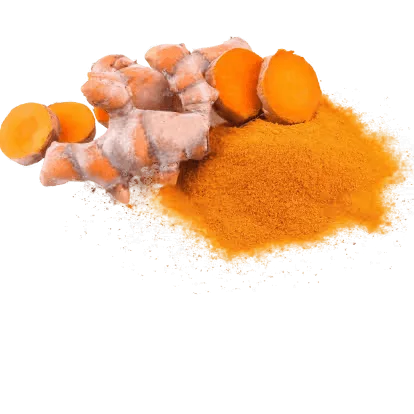
Turmeric vs curcumin, the antioxidant and inflammatory-balance mechanism, and the all-important absorption problem — and how good formulas solve it with piperine.
Read the guide →
A practical checklist for reading a Supplement Facts panel — spotting proprietary blends, checking standardised extracts and doses, and avoiding the marketing traps.
Read the guide →
The nutrients, botanicals and everyday habits that support nerve comfort in the hands and feet as you age — and where a simple daily supplement fits in.
Read the guide →