
| Read the doses | Every active should show exact milligrams per serving — not be hidden in a proprietary blend. |
| Check the form | Botanicals should be standardised (a stated % of actives); absorption strategy should be clear. |
| Fewer, better | A focused formula of well-dosed ingredients beats a crowded, underdosed label. |
| Quality & guarantee | Look for GMP manufacturing and a money-back window long enough to give it a fair trial. |
| See a doctor | Numbness, tingling, burning or weakness that is new, getting worse, spreading or affecting one side of the body only — and any nerve symptom that follows an injury or begins soon after a new medication. |
| Why it matters | Those patterns can point to diabetes, a compressed or trapped nerve, a vitamin B12 deficiency, thyroid disease or alcohol-related nerve damage. All of them are found with tests and treated by a clinician, not by a capsule. |
| What this article is | Plain-language background on one ingredient. It is not medical advice, and nothing described here — Nervixol included — is a treatment or cure for neuropathy or any nerve condition. |
The nerve-supplement aisle is a confusing place. Two products can carry almost identical marketing and cost wildly different amounts, while a third promises the moon in a proprietary blend that tells you nothing. The good news is that most of the noise disappears once you know how to read the one thing that actually matters: the Supplement Facts panel on the back of the bottle. This guide is a practical, no-nonsense checklist for how to choose a nerve health supplement — what to look for, what to ignore, and the red flags that separate a serious formula from clever packaging.
This is general consumer education, not medical advice. If you have a diagnosed condition or take medication, your doctor or pharmacist should always be part of the decision. With that said, here is exactly how we evaluate a label.
The single most important habit is to check that every active ingredient shows its exact amount in milligrams per serving. A transparent label lists each ingredient on its own line with a number beside it. That lets you compare products meaningfully and check the amounts against the dosage context for each ingredient.
The classic trap is the proprietary blend: several ingredients grouped under a single combined weight, with no breakdown of how much of each is inside. It might say “Nerve Support Blend — 500 mg” and then list eight ingredients. There is no way to know whether the star ingredient makes up 450 mg or 5 mg of that total. Blends exist mainly to hide underdosing behind an impressive-sounding name. When you see one, treat it as a reason for caution, not confidence.
For any plant-based ingredient, the milligram number alone is not enough — you also need to know how concentrated the extract is. This is where standardisation comes in: a quality label states the percentage of active compounds an extract is guaranteed to contain. Some examples we cover in depth elsewhere on this blog:
A product that just says “ginkgo leaf” or “turmeric powder” with no percentage is telling you it has not done this work. Standardisation is the difference between a repeatable dose and a lucky dip.
A well-designed nerve formula usually covers a few complementary jobs rather than piling on one type of ingredient. The categories worth recognising:
A dedicated antioxidant. Alpha-lipoic acid is the headline example — both water- and fat-soluble, so it reaches nerve-cell membranes.
A circulation botanical. Ginkgo is the classic choice, supporting healthy blood flow to the hands and feet that keeps nerves supplied.
Antioxidant plants. Turmeric, sea buckthorn and similar botanicals broaden the antioxidant coverage.
An adaptogen. Ashwagandha addresses the stress-and-sleep environment nerves live in — a job the others do not do.
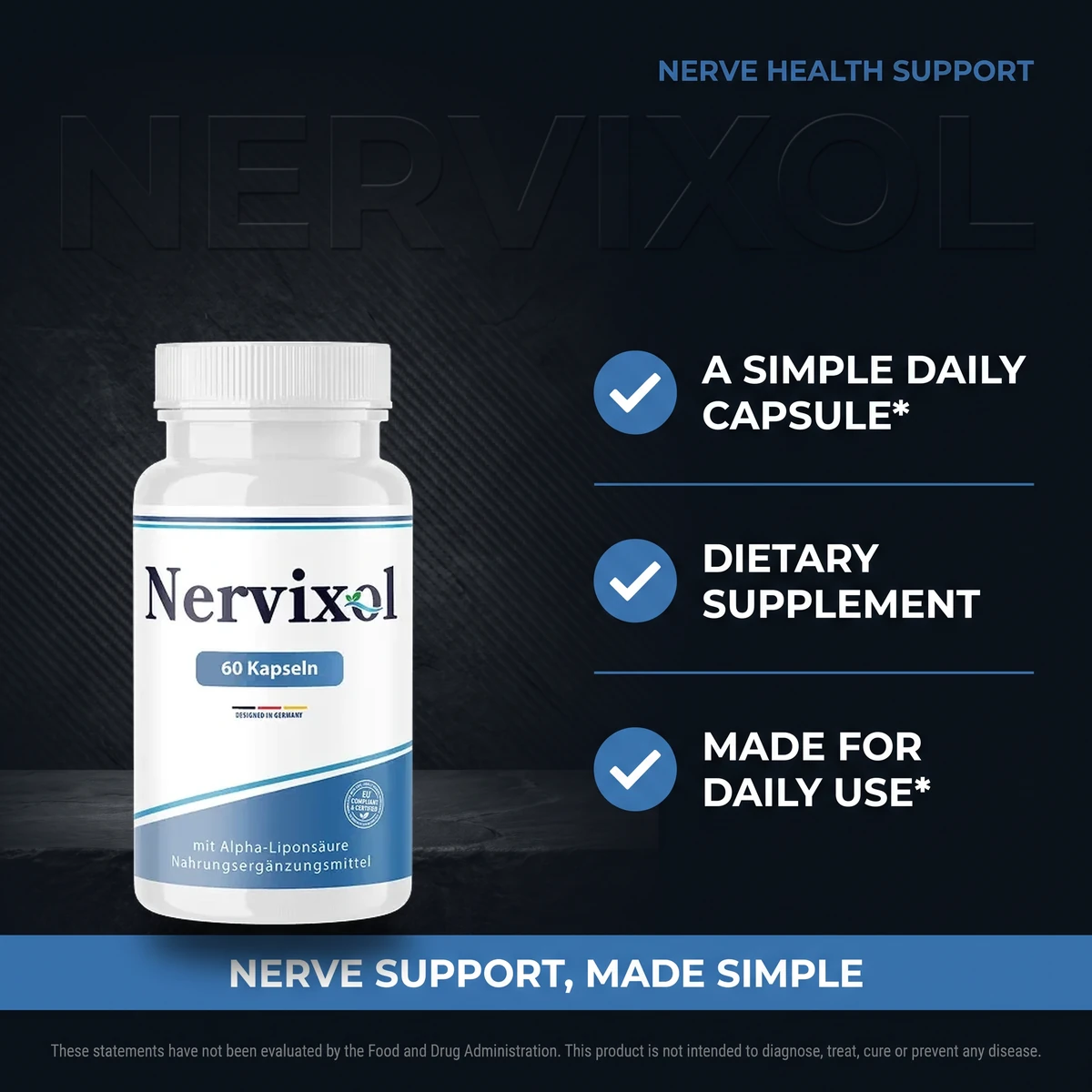
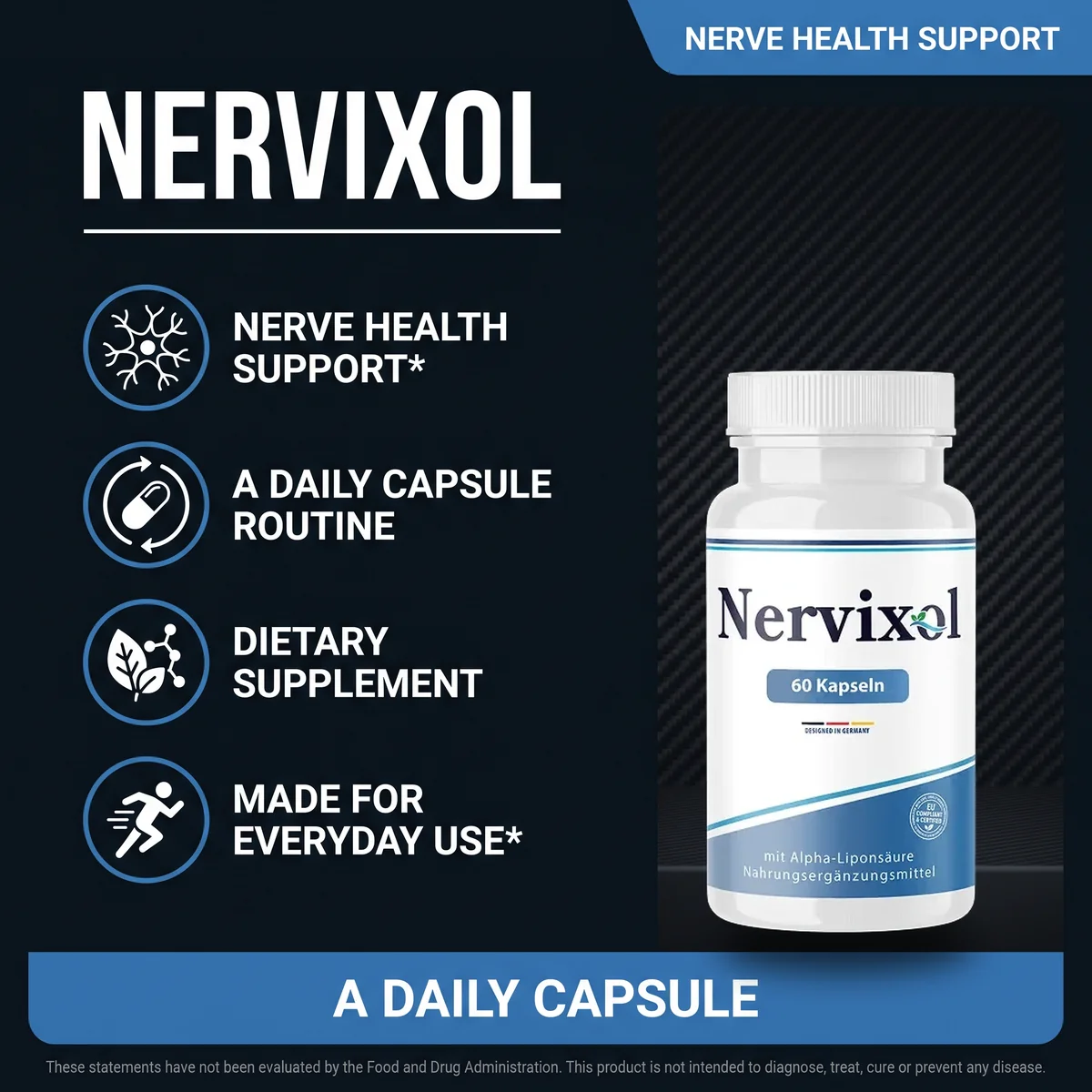
This is exactly the logic behind the Nervixol formula, which pairs alpha-lipoic acid with ginkgo, ashwagandha, turmeric, sea buckthorn and bamboo — one ingredient for each of these roles, each named on the label. For the wider lifestyle picture, our guide on supporting nerve health naturally is a good companion read.
It is tempting to assume a supplement with 25 ingredients must be better value than one with six. Usually the opposite is true. There is only so much room in a capsule, so a very long list almost always means each ingredient is present in a tiny, likely-underdosed amount — a phenomenon nicknamed “label decoration” or “fairy dusting.” A focused formula that dedicates its capsule space to a handful of properly dosed, well-chosen actives will generally serve you better than a crowded one designed to look impressive on the shelf.
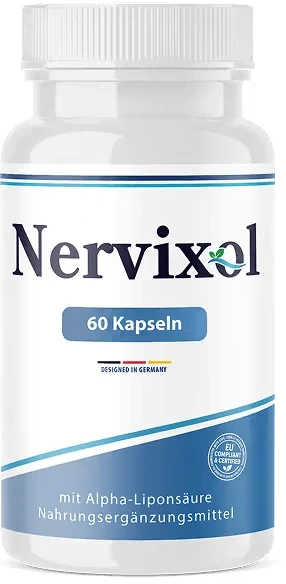
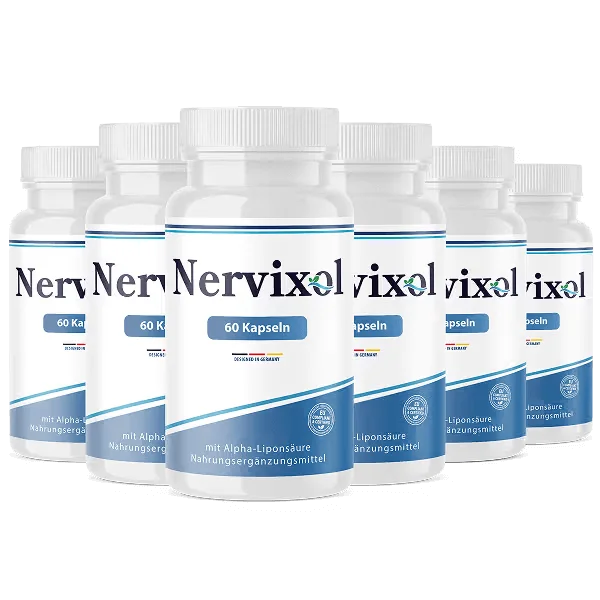
Nervixol keeps it deliberately simple: alpha-lipoic acid plus five botanicals, named on the label, in one daily capsule — backed by a 60-day money-back guarantee.
See Nervixol PackagesThese do not prove a product works, but they show the maker follows recognised standards:
The best formula in the world does nothing if it sits unused in a cupboard. A simple once-daily capsule is far easier to keep up than a regimen of several pills at different times, and consistency is what makes any nutritional or botanical routine worthwhile. When comparing products, factor in how realistic the daily ritual is for you.
Finally, be realistic about timeframe. Nutritional and botanical support is gradual; most routines deserve at least 8–12 weeks of consistent use alongside good habits before you judge them. That is exactly why a money-back guarantee that spans that window is so valuable — it lets you give a product a fair, unhurried trial. Beware anything promising instant, dramatic results; honest supplement marketing does not talk that way.
| Doses | Every active shows exact mg per serving — no proprietary blend |
| Standardisation | Botanicals list a % of active compounds |
| Absorption | Hard-to-absorb actives (e.g. curcumin) have a stated absorption aid |
| Focus | A sensible, complementary set of ingredients — not a crowded list |
| Quality | GMP manufacturing, clear allergen and additive labelling |
| Format | A daily ritual you will realistically keep |
| Guarantee | A refund window long enough for a fair 8–12 week trial |
Look for named ingredients with the exact milligrams per serving, standardised extracts (a stated percentage for botanicals like ginkgo or curcumin), a clear serving size, GMP or third-party quality markers, and a transparent absorption strategy for hard-to-absorb ingredients. Avoid proprietary blends that hide individual amounts. This is general guidance, not medical advice.
A proprietary blend lists several ingredients under one combined weight without saying how much of each is included. That makes it impossible to know whether an active is present at a meaningful amount or just a sprinkle for the label. Products that disclose each ingredient's dose are more trustworthy.
Not necessarily. A long ingredient list can mean each active is present only in a tiny, underdosed amount. A focused formula with a few well-chosen, properly dosed ingredients is usually preferable to a crowded label designed to look impressive.
Useful signals include manufacturing in a GMP-certified (Good Manufacturing Practice) facility, third-party testing, and clear labelling of allergens and additives. These do not prove a product works, but they indicate the maker follows recognised quality standards.
Nutritional and botanical support is gradual. Most routines are given at least 8 to 12 weeks of consistent daily use alongside supportive habits. A money-back guarantee that covers that window is helpful. Individual results vary and are not guaranteed.
| Who we are | An independent team focused on plain-language nerve-health education — ingredients, mechanisms and daily habits. We translate research into practical background. We are an independent guide rather than the manufacturer or seller of Nervixol, and we are transparent that we earn a commission when a reader buys through our links. |
| Our promise | We describe traditional and general use, we avoid disease claims, and we always point you to a qualified professional for personal medical decisions. |
A nerve-health supplement is only as good as what is actually in the bottle, and the published analyses of the supplement market are the strongest argument for reading a label sceptically.
An analysis of selected dietary supplement products published in JAMA Network Open in 2022 tested products marketed to support or boost the immune system and compared what the labels claimed against what the laboratory found. A 2025 paper in the Journal of Natural Products on laboratory approaches to mitigating dietary supplement adulteration describes the analytical methods used to catch the same problem upstream. Neither study covers every category, and neither says supplements in general are fake — but both explain why third-party testing on a label is worth more than a badge.
The second reason to read labels carefully is that some nerve ingredients have a genuine ceiling. A review in Advances in Nutrition on the mechanisms of pyridoxine toxicity documents how excess vitamin B6, taken for long enough, can produce the very sensory neuropathy people take it to avoid. Check the B6 figure on any nerve product against the tolerable upper intake level before you stack two of them.
When you are comparing the plant side of a formula, our guides to sea buckthorn and CoQ10 forms and absorption show the kind of specifics a good label makes easy to check.
Every PubMed link above was opened and checked against the claim it is cited for. Research on an ingredient is not evidence about any finished product. Last verified 3 September 2026.
† These statements have not been evaluated by the FDA. This product is not intended to diagnose, treat, cure or prevent any disease. This article is for general information only and is not medical advice. If you have a diagnosed condition or take medication, consult a qualified healthcare professional before starting any supplement.
Affiliate disclosure: this is an independent guide, not the manufacturer or seller. Some links on this page are affiliate links and we may earn a commission at no extra cost to you, which never changes what is written here.