
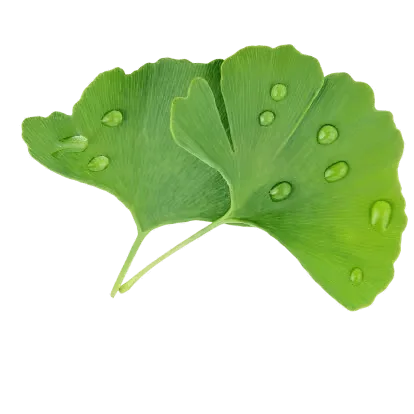
| What it is | Ginkgo biloba is one of the oldest botanicals in continuous use, taken from the leaves of the ginkgo tree. |
| Why circulation | It is traditionally used to support healthy blood flow, including to the small vessels feeding the hands and feet — and good circulation helps keep nerves supplied. |
| What to look for | A standardised extract, usually 24% flavone glycosides and 6% terpene lactones. |
| Dosage context | Research commonly uses ~120–240 mg/day. Ask your doctor, especially if you take blood thinners. |
| See a doctor | Numbness, tingling, burning or weakness that is new, getting worse, spreading or affecting one side of the body only — and any nerve symptom that follows an injury or begins soon after a new medication. |
| Why it matters | Those patterns can point to diabetes, a compressed or trapped nerve, a vitamin B12 deficiency, thyroid disease or alcohol-related nerve damage. All of them are found with tests and treated by a clinician, not by a capsule. |
| What this article is | Plain-language background on one ingredient. It is not medical advice, and nothing described here — Nervixol included — is a treatment or cure for neuropathy or any nerve condition. |
When people search for ginkgo biloba for circulation, they are usually chasing one specific feeling: warmer, more comfortable hands and feet, and the sense that blood is actually reaching the places furthest from the heart. That instinct is sound. Circulation and nerve health are tightly linked, because nerves are hungry tissue that depend on a steady delivery of oxygen and nutrients through the smallest blood vessels in the body. This guide explains what ginkgo is, how it is thought to work, how to read a standardised extract on a label, the dosage context researchers use, and the safety points that genuinely matter.
As always, this is background information about a traditional botanical — not a treatment for any medical condition. Ginkgo appears in the Nervixol formula as its circulation botanical precisely because of the long history described below.
Ginkgo biloba is often called a “living fossil” — the species has existed largely unchanged for well over 200 million years, and the fan-shaped leaf is instantly recognisable. As a botanical supplement, ginkgo is not the raw leaf but a concentrated extract of it, and that distinction matters enormously, as we will see. The extract concentrates two families of active plant compounds: flavonoids (antioxidant pigments) and terpenoids, including the ginkgo-specific molecules called ginkgolides and bilobalide.
Traditional use of ginkgo spans centuries across several cultures, most often for supporting healthy circulation and mental sharpness. Modern supplements simply put a measured, standardised amount of that same botanical into a capsule.
The connection between ginkgo and nerve comfort runs through the blood vessels. Here is the chain of logic, step by step.
Nerves depend on micro-circulation. The nerves in your fingers and toes are fed by tiny blood vessels called capillaries. When flow through those vessels is robust, nerves receive the oxygen and nutrients they need to function well. When it is sluggish, the extremities are the first place you notice it — cold feet, tingly fingers, that “asleep” sensation after sitting still.
Ginkgo is traditionally associated with healthy blood flow. Its terpenoids are studied for their relationship with the tone and flexibility of small blood vessels, and its flavonoids provide antioxidant activity that helps the body manage oxidative stress inside vessel walls. Together these are why ginkgo has such a long-standing reputation for supporting circulation to the periphery — exactly the region where nerve comfort tends to be felt first.
Antioxidant support overlaps with nerve health. Because ginkgo's flavonoids are antioxidants, its role is complementary to a dedicated antioxidant like alpha-lipoic acid. One supports the vessels that deliver the blood; the other supports the nerve tissue that the blood is feeding. This is why the two are so often paired in the same formula.
If you take away one practical point from this guide, make it this: the concentration of a ginkgo extract matters more than the milligram number alone. A capsule that says “500 mg ginkgo leaf powder” can contain far fewer active compounds than a smaller “120 mg standardised extract.”
The industry standard, and the form used in most credible research, is an extract standardised to 24% flavone glycosides and 6% terpene lactones. That percentage tells you the maker has processed the leaf to deliver a consistent, repeatable amount of the actives in every dose. When you compare products, look for that standardisation statement. Its absence is a red flag; its presence is a sign the formulator knows what they are doing. We cover this and other label signals in our full guide to choosing a nerve health supplement.
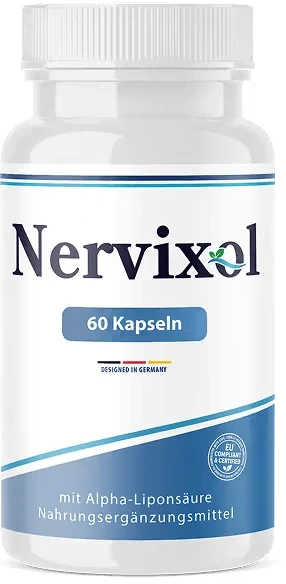
Nervixol pairs standardised ginkgo with alpha-lipoic acid and a botanical blend of ashwagandha, turmeric, sea buckthorn and bamboo — one daily capsule, 60-day money-back guarantee.
See Nervixol PackagesBecause ginkgo is a botanical, there is no official daily requirement — dosage is guided by how it is used in studies and by the extract's concentration. A few reference points:
Standardised ginkgo extract is most often used at 120–240 mg per day, and higher amounts are frequently split into two doses (for example, morning and evening) to keep blood levels steadier.
Two products can both “work” at very different milligram figures if their extract ratios differ. A concentrated 24/6 extract delivers its actives at a lower total weight than a weak leaf powder. Always read the milligram figure together with the standardisation percentage — never in isolation.
Ginkgo is not a same-day botanical. Its everyday benefits are judged over weeks of steady use, which is another argument for a simple once-daily format you will actually maintain. For the bigger picture on daily routines, see how to support nerve health naturally.
Ginkgo is widely used and generally well tolerated, but it has one important interaction worth taking seriously: because it may influence how the blood clots, it can interact with blood-thinning or antiplatelet medication, and it is commonly paused in the weeks before surgery. Anyone in the following groups should speak with a qualified healthcare professional before using ginkgo:
This is general information, not personal medical advice. When in doubt, ask your doctor or pharmacist before adding any new botanical.
Ginkgo biloba is traditionally used to support healthy blood flow, including to the small vessels that feed the hands and feet. Its plant compounds — flavonoids and terpenoids such as the ginkgolides — are associated with antioxidant activity and with supporting the flexibility and tone of small blood vessels. Good circulation is part of what keeps nerves well supplied with oxygen and nutrients. It supports healthy circulation rather than treating any medical condition.
A standardised ginkgo extract is processed so that each dose contains a consistent percentage of the active plant compounds — most commonly 24% flavone glycosides and 6% terpene lactones, the ratio used in most research. Standardisation is why a quality label states a percentage, not just “ginkgo leaf”, so you know what you are actually getting.
Studies and well-formulated products commonly use standardised ginkgo extract in the range of roughly 120 to 240 mg per day, often split into two doses. The right amount depends on the product's concentration and your own situation, so check the label and speak with a qualified healthcare professional, especially if you take blood-thinning medication.
Ginkgo may affect how the blood clots, so it can interact with blood-thinning or antiplatelet medication and is often paused before surgery. Anyone taking such medicines, or with a bleeding disorder, should speak with a qualified healthcare professional before using ginkgo. This article is general information, not medical advice.
Botanical support is gradual. Ginkgo is typically taken consistently for at least 8 to 12 weeks before its everyday effects are judged, alongside supportive habits like movement and good hydration. Individual results vary and are not guaranteed.
| Who we are | An independent team focused on plain-language nerve-health education — ingredients, mechanisms and daily habits. We translate research into practical background. We are an independent guide rather than the manufacturer or seller of Nervixol, and we are transparent that we earn a commission when a reader buys through our links. |
| Our promise | We describe traditional and general use, we avoid disease claims, and we always point you to a qualified professional for personal medical decisions. |
Ginkgo biloba is studied as a circulation botanical: standardised leaf extracts contain flavone glycosides and terpene lactones, and the research question has always been whether those change blood flow enough to change how someone feels.
The most rigorous test of the circulation claim is in intermittent claudication — leg pain caused by poor arterial flow. A Cochrane review of ginkgo biloba for intermittent claudication assessed whether it improves pain-free walking distance, updating an earlier meta-analysis of randomised trials in the American Journal of Medicine. Read them together and the effect is modest at best.
On the cognitive side, a systematic review and meta-analysis in the Journal of Alzheimer’s Disease covers both efficacy and adverse effects, and a review of ginkgo’s indications, mechanisms and safety in Psychiatric Clinics of North America is the best single summary of the safety picture — including the reason ginkgo matters if you take an anticoagulant or antiplatelet drug, or have surgery scheduled.
Circulation is only half of the hands-and-feet story; the antioxidant half is covered in our guides to sea buckthorn and bamboo extract and silica.
Every PubMed link above was opened and checked against the claim it is cited for. Research on an ingredient is not evidence about any finished product. Last verified 3 September 2026.
† These statements have not been evaluated by the FDA. This product is not intended to diagnose, treat, cure or prevent any disease. This article is for general information only and is not medical advice. If you take blood-thinning medication or have persistent or worsening symptoms, consult a qualified healthcare professional before using ginkgo.
Affiliate disclosure: this is an independent guide, not the manufacturer or seller. Some links on this page are affiliate links and we may earn a commission at no extra cost to you, which never changes what is written here.