

| What it is | Alpha-lipoic acid (ALA) is a naturally occurring antioxidant your body makes in small amounts and also gets from food. |
| Why nerves | It is both water- and fat-soluble, so it can reach nerve-cell membranes; it is traditionally associated with antioxidant support for the nerves. |
| Dosage context | Labels commonly list ~100–600 mg/day; nerve-comfort studies have often used the higher end. Ask your doctor what fits you. |
| Timeframe | Give a routine 8–12 weeks of consistency; results vary. |
| See a doctor | Numbness, tingling, burning or weakness that is new, getting worse, spreading or affecting one side of the body only — and any nerve symptom that follows an injury or begins soon after a new medication. |
| Why it matters | Those patterns can point to diabetes, a compressed or trapped nerve, a vitamin B12 deficiency, thyroid disease or alcohol-related nerve damage. All of them are found with tests and treated by a clinician, not by a capsule. |
| What this article is | Plain-language background on one ingredient. It is not medical advice, and nothing described here — Nervixol included — is a treatment or cure for neuropathy or any nerve condition. |
Of all the ingredients that appear in the nerve-health conversation, alpha-lipoic acid (often shortened to ALA) is one of the most talked about — and one of the most misunderstood. Search for it and you will find everything from breathless promises to dense biochemistry papers, with very little in between. This guide sits in the middle: a plain-language explanation of what alpha-lipoic acid actually is, how it works in the body, the dosage context people use, where it comes from in food, and how to read it on a supplement label. Nothing here is a treatment for a medical condition — it is background so you can make an informed choice.
Alpha-lipoic acid for nerve health is a topic that keeps resurfacing for a good reason: unlike many antioxidants that only work in one part of the cell, ALA is unusually versatile. Understanding why starts with a look at what antioxidants do and where nerves are vulnerable.
Alpha-lipoic acid is a sulphur-containing compound made naturally inside your cells, where it plays a role in the tiny energy factories called mitochondria. There, it acts as a helper molecule (a “cofactor”) for enzymes that turn food into usable energy. In other words, your body already relies on ALA every single day — the supplement form simply provides more of something you make and eat in small amounts.
Because the body produces its own supply, alpha-lipoic acid is not classed as an essential vitamin. But the amounts we make and absorb from ordinary food are modest, which is why concentrated supplement doses look so different from what a plate of spinach delivers. That gap between “a little from food” and “a measured dose from a capsule” is the whole reason ALA supplements exist.
Nerve fibres are wrapped in fatty membranes and, like all living tissue, they generate and are exposed to free radicals — reactive molecules that, in excess, contribute to what scientists call oxidative stress. Antioxidants are the counterweight. What makes alpha-lipoic acid stand out is three related properties.
1. It is both water- and fat-soluble. Most antioxidants are one or the other. Vitamin C works in watery environments; vitamin E works in fatty ones. Alpha-lipoic acid is comfortable in both, which is why it is sometimes called a “universal antioxidant.” That dual nature means it can reach the fatty myelin around nerve fibres as well as the watery interior of the cell.
2. It recycles other antioxidants. ALA can help regenerate vitamins C and E, glutathione and coenzyme Q10 after they have been “used up” neutralising free radicals. In effect it extends the working life of your existing antioxidant network rather than acting alone.
3. It supports healthy energy metabolism. Through its role in the mitochondria, ALA is tied to how efficiently cells — including nerve cells — produce energy. Nerves are metabolically demanding tissue, so steady energy production matters to them.
Put together, these are the reasons alpha-lipoic acid is traditionally associated with antioxidant support for the nerves and with healthy circulation to the hands and feet. It is featured, named right on the label, in the Nervixol formula for exactly this reason.
You do get small amounts of alpha-lipoic acid from a normal diet. The richest sources tend to be:
Here is the honest catch: the quantity of alpha-lipoic acid in food is tiny compared with a supplement dose, and much of it is bound up in a form the body cannot easily free during digestion. That is precisely why people who want a meaningful, measured amount turn to a supplement rather than eating more spinach. Food gives you a foundation of antioxidants across the board; a supplement gives you a specific, repeatable dose of this one.
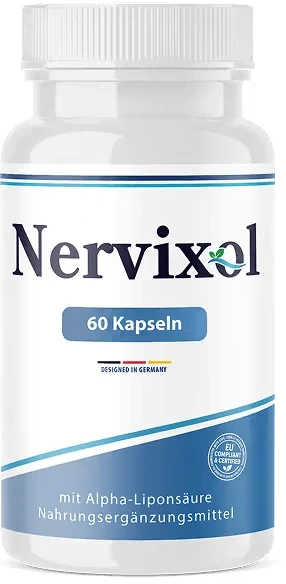
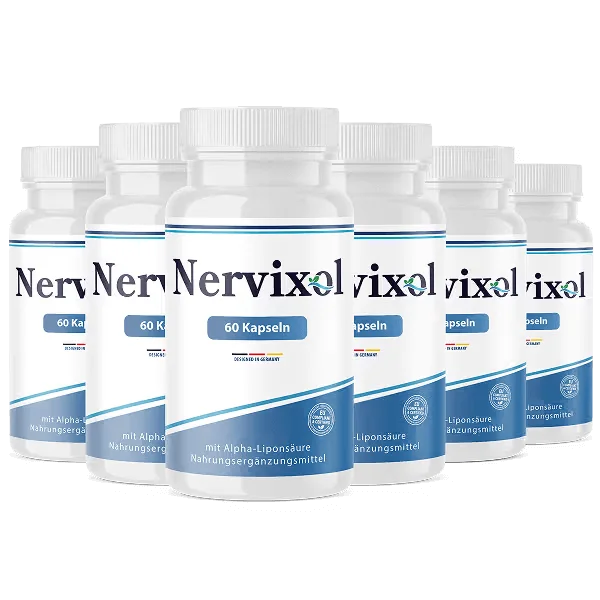
Nervixol features alpha-lipoic acid alongside a botanical blend — ginkgo, ashwagandha, turmeric, sea buckthorn and bamboo — in one daily capsule, backed by a 60-day money-back guarantee.
See Nervixol PackagesThere is no official recommended daily allowance for alpha-lipoic acid because it is not an essential nutrient. Instead, dosage tends to be guided by how the ingredient is used in research and on well-formulated labels. A few useful reference points:
Most products list alpha-lipoic acid somewhere between roughly 100 mg and 600 mg per day. Everyday “general antioxidant” products sit at the lower end; formulas specifically built around nerve comfort tend to sit higher.
Clinical investigations exploring nerve comfort have frequently used amounts toward the upper part of that range, sometimes given once daily. This is background context, not a personal recommendation — the amounts used in a controlled study are not automatically the right amounts for an individual at home.
Alpha-lipoic acid comes in two mirror-image forms, R and S. The R form (R-ALA) is the one your body makes and is generally regarded as the more biologically active. Many supplements use a mixed R/S form because it is cheaper and more stable on the shelf; some premium products specify R-ALA and may use a smaller number as a result. Neither is “wrong” — what matters is that the label tells you clearly which form and how many milligrams you are getting.
An important note on personalisation: the amount that suits you depends on your diet, your goals and especially any medications you take. Alpha-lipoic acid can interact with treatments that affect blood sugar and thyroid function, so anyone taking those should speak with a qualified healthcare professional before starting. This article is general information, not a dosing prescription.
Alpha-lipoic acid is often taken on an empty stomach — first thing in the morning or between meals — because some evidence suggests food can reduce how much is absorbed. If an empty stomach causes any discomfort, taking it with a small meal is a perfectly reasonable trade-off. The single most important factor, though, is consistency: a capsule taken every morning does far more than a higher dose taken only when you remember. This is the logic behind a simple, once-daily format — it is the version of a routine people actually keep.
For a broader look at how supplements fit alongside diet, movement and sleep, see our companion guide on how to support nerve health naturally, and if you are also weighing circulation botanicals, our piece on ginkgo biloba for circulation pairs naturally with this one.
When you compare alpha-lipoic acid products, a good label makes these things obvious:
For the full checklist we use, read our guide on how to choose a nerve health supplement.
Alpha-lipoic acid is an antioxidant that helps the body neutralise free radicals and recycle other antioxidants such as vitamins C and E. Because it is both water- and fat-soluble, it can reach the fatty membranes around nerve fibres as well as the watery interior of cells, which is why it is traditionally associated with antioxidant support for the nerves. It supports healthy nerves rather than treating any medical condition.
Supplement labels commonly list alpha-lipoic acid in the range of roughly 100 to 600 mg per day, and studies exploring nerve comfort have often used amounts toward the higher end of that range. The right amount for you depends on your diet, your goals and any medications you take, so check with a qualified healthcare professional before starting.
Alpha-lipoic acid is often taken on an empty stomach — for example before breakfast or between meals — because some evidence suggests food can lower how much is absorbed. If it causes any stomach upset, taking it with a small meal is a reasonable adjustment. Consistency day to day matters more than perfect timing.
Alpha-lipoic acid exists as two mirror-image forms, R and S. The R form (R-ALA) is the version the body makes and is generally considered the more biologically active. Many supplements use a mixed R/S form because it is more stable and affordable; some premium products specify R-ALA. Both are widely used — the label should make clear which form and how much it contains.
Antioxidant support is gradual, not immediate. Most people give a daily routine at least 8 to 12 weeks of consistent use alongside supportive habits before judging it. Individual results vary and are not guaranteed.
| Who we are | An independent team focused on plain-language nerve-health education — ingredients, mechanisms and daily habits. We translate research into practical background. We are an independent guide rather than the manufacturer or seller of Nervixol, and we are transparent that we earn a commission when a reader buys through our links. |
| Our promise | We describe traditional and general use, we avoid disease claims, and we always point you to a qualified professional for personal medical decisions. |
Alpha-lipoic acid has more human nerve research behind it than almost any other supplement ingredient, and that research is worth reading carefully rather than quoting selectively.
The most-cited work is a group of randomised trials in diabetic polyneuropathy. The SYDNEY 2 trial, published in Diabetes Care in 2006, tested oral alpha-lipoic acid against placebo on symptom scores, while a 2023 meta-analysis and systematic review in Nutrients pooled the oral-treatment trials that followed it. Both are studies of a diagnosed medical condition treated under supervision, and neither tells you what a general-wellness capsule will do for someone without that diagnosis.
Longer trials have been less flattering, which matters just as much: the ALADIN III study, a seven-month multicentre randomised controlled trial reported in Diabetes Care in 1999 found the picture more mixed than the short-term work suggested. Honest reading means holding both results at once.
Alpha-lipoic acid is also the ingredient most often paired with others in nerve formulas — with acetyl-L-carnitine on the mitochondrial side, and with the fat-soluble B1 derivative covered in our benfotiamine versus thiamine guide.
Every PubMed link above was opened and checked against the claim it is cited for. Research on an ingredient is not evidence about any finished product. Last verified 3 September 2026.
† These statements have not been evaluated by the FDA. This product is not intended to diagnose, treat, cure or prevent any disease. This article is for general information only and is not medical advice. If you have persistent or worsening symptoms, or take medication that affects blood sugar or thyroid function, consult a qualified healthcare professional before using alpha-lipoic acid.
Affiliate disclosure: this is an independent guide, not the manufacturer or seller. Some links on this page are affiliate links and we may earn a commission at no extra cost to you, which never changes what is written here.