

| What it is | Bamboo extract is the richest known plant source of silica (silicon), a trace mineral the body uses for connective tissue. |
| Why nerves | Silica helps build and maintain the collagen framework that surrounds and protects nerves and blood vessels — the structural side of nerve support. |
| Dosage context | Silicon intakes of ~10–40 mg/day are commonly discussed; look at the elemental silicon a bamboo extract actually delivers. |
| Timeframe | Give a routine 8–12 weeks of consistency; results vary. |
| See a doctor | Numbness, tingling, burning or weakness that is new, getting worse, spreading or affecting one side of the body only — and any nerve symptom that follows an injury or begins soon after a new medication. |
| Why it matters | Those patterns can point to diabetes, a compressed or trapped nerve, a vitamin B12 deficiency, thyroid disease or alcohol-related nerve damage. All of them are found with tests and treated by a clinician, not by a capsule. |
| What this article is | Plain-language background on one ingredient. It is not medical advice, and nothing described here — Nervixol included — is a treatment or cure for neuropathy or any nerve condition. |
Most ingredients in a nerve-health formula are there for their antioxidant or circulatory role. Bamboo extract is different — it earns its place for something more structural. Bamboo is the richest plant source of silica on earth, and silica is the trace mineral the body leans on to build the connective tissue and collagen that literally hold us together. This guide explains what bamboo extract is, why silica matters to the tissues that surround and protect your nerves, the dosage context people use, and how to read it on a supplement label. Nothing here is a treatment for a medical condition — it is background so you can make an informed choice.
Bamboo extract for nerve health is a topic that only makes sense once you understand a simple idea: nerves do not float freely in the body. They run through, and are wrapped by, connective tissue — and the health of that scaffolding matters. That is where silica comes in.
Bamboo is one of the fastest-growing plants in the world, and its secret is partly mineral. As it grows, bamboo pulls silicon up from the soil and deposits it throughout its stalks and leaves, where it hardens into silica — the same family of compounds that gives sand and quartz their toughness. This is what lets a bamboo cane be both remarkably strong and remarkably flexible, bending in a storm without snapping.
A standardised bamboo extract concentrates that natural silica. Where the whole plant contains a modest percentage, a good extract is standardised to 70 percent silica or more — making it the most concentrated botanical source available, well ahead of the other traditional silica plants, horsetail and oat straw. That concentration is the whole reason bamboo, rather than another plant, appears on a modern label.
Silica supplies the body with bioavailable silicon, a trace mineral that is easy to overlook because it is not as famous as calcium or magnesium. Yet silicon plays a quiet, essential role in how the body builds its structural tissues.
1. It supports collagen formation. Silicon is involved in the enzyme steps the body uses to make and cross-link collagen — the protein that gives skin, blood vessels, tendons and connective tissue their strength and elasticity. Without adequate silicon, that framework is harder to maintain.
2. It helps maintain connective tissue and blood vessels. The walls of your blood vessels are rich in connective tissue, and healthy, resilient vessels are central to good circulation — which in turn matters to the nerves in the hands and feet that depend on a steady blood supply.
3. It supports the body's structural scaffolding overall. From bones to skin to the sheaths that run alongside nerves, silicon contributes to the connective architecture that everything else is built on.
Here is the link that surprises people. Nerves are not isolated wires — they travel through the body inside a web of connective tissue, and the small blood vessels that feed them are themselves built from collagen-rich walls. When we talk about the “environment” a nerve lives in, connective tissue and blood vessels are a big part of that environment.
By supporting collagen formation and the integrity of connective tissue, silica contributes to the structural side of nerve support that antioxidants and circulation botanicals do not directly cover. Think of it as complementary: ginkgo helps blood flow, alpha-lipoic acid provides antioxidant defence, and silica helps maintain the physical framework those systems run through. That is why bamboo extract is featured, named on the label, in the Nervixol formula — it rounds out the blend with a structural nutrient the others do not provide.
If you have shopped for silica supplements, you have probably seen horsetail (Equisetum) as well as bamboo. Both are genuine plant sources, but there are practical differences worth knowing.
Standardised bamboo extract is typically the more concentrated source, often reaching 70 percent silica or higher, whereas horsetail is generally lower. That means a smaller bamboo dose can deliver the same silicon.
Raw horsetail can contain an enzyme called thiaminase, which breaks down vitamin B1 (thiamine). Reputable horsetail products are treated to neutralise it, but bamboo extract sidesteps the issue entirely — one reason many modern formulas choose bamboo. This matters especially if you also care about B vitamins, a topic we cover in our guide to B vitamins for nerve health.
Neither plant is “wrong.” What matters is that the label states the silica percentage and, ideally, the elemental silicon delivered, so you can compare like with like — exactly the label-reading discipline we lay out in how to choose a nerve health supplement.
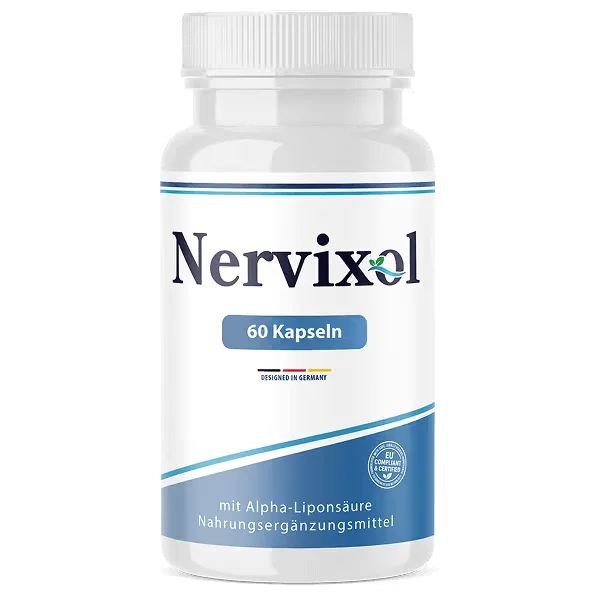
Nervixol features bamboo extract alongside a botanical blend — alpha-lipoic acid, ginkgo, ashwagandha, turmeric and sea buckthorn — in one daily capsule, backed by a 60-day money-back guarantee.
See Nervixol PackagesYou do get silicon from a normal diet, and some everyday foods are surprisingly good sources:
The catch is that much of the silicon in food is in forms the body absorbs only partially, and modern refined diets tend to be lower in it than traditional whole-grain diets were. A standardised bamboo extract offers a concentrated, repeatable source — the same reasoning that leads people to any targeted supplement rather than trying to overhaul the whole diet at once.
There is no official recommended daily allowance for silicon, but nutrition researchers commonly discuss intakes in the region of 10 to 40 mg of elemental silicon per day from all sources. On a supplement label, the number to focus on is not the raw milligrams of “bamboo extract” but how much elemental silicon that extract actually delivers.
A label might list, for example, a bamboo stem extract standardised to 70 percent silica. From that you can estimate the silicon it supplies. A vague “bamboo (proprietary blend)” with no percentage tells you almost nothing — that is a red flag.
An important note on personalisation: silica from bamboo is generally well tolerated, but the right amount depends on your overall diet and goals. As with any supplement, if you are pregnant, nursing or taking medication, speak with a qualified healthcare professional first. This article is general information, not a dosing prescription.
Bamboo silica is usually taken once daily, often with a meal, and — like every structural nutrient — it rewards consistency far more than a large occasional dose. Because its benefits are gradual and cumulative, the version of a routine that actually works is the one you can keep effortlessly: a single daily capsule alongside your other habits. For the bigger picture of how supplements fit with diet, movement and sleep, see our companion guide on everyday nerve support.
When you compare bamboo silica products, a good label makes these things obvious:
Bamboo extract is the richest known plant source of silica (silicon), a trace mineral the body uses to build and maintain connective tissue, collagen and the structural framework that surrounds and protects nerves and blood vessels. Healthy, resilient connective tissue is part of the environment nerves depend on. Bamboo supports healthy structural tissue rather than treating any medical condition.
Silica is a natural compound of the element silicon. Bamboo draws silicon up from the soil and deposits it in its stalks and leaves to give the plant its famous strength and flexibility, so a concentrated bamboo extract can contain 70 percent silica or more — far more than horsetail or oats, the other common plant sources.
Both are plant sources of silica. Bamboo extract is typically the more concentrated of the two and does not contain the enzyme thiaminase that raw horsetail can carry. Many modern formulas prefer standardised bamboo extract for its high, consistent silica content. The label should state the silica percentage so you can compare.
There is no official daily allowance for silicon, though intakes of roughly 10 to 40 mg of elemental silicon per day are commonly discussed. Supplements often supply a bamboo extract standardised to a set silica percentage; what matters is the elemental silicon it delivers. Check the label and ask a qualified professional what fits you.
Structural, connective-tissue support is gradual. Most people give a daily routine at least 8 to 12 weeks of consistent use alongside supportive habits before judging it. Individual results vary and are not guaranteed.
| Who we are | An independent team focused on plain-language nerve-health education — ingredients, mechanisms and daily habits. We translate research into practical background. We are an independent guide rather than the manufacturer or seller of Nervixol, and we are transparent that we earn a commission when a reader buys through our links. |
| Our promise | We describe traditional and general use, we avoid disease claims, and we always point you to a qualified professional for personal medical decisions. |
Silica is the mineral form of silicon, and bamboo is the densest plant source of it — which is the whole reason bamboo extract appears in supplement blends at all. The honest position is that silicon research is about structural tissue, not about nerves.
An umbrella review published in Nutrients in 2024, which set out to translate silicon supplementation research from animals to humans is the most recent attempt to weigh the evidence, and it is candid about how thin the human trial base is. Earlier work, including a review of the effects of dietary silicon intake on bone homeostasis and regeneration and an overview of silicon and bone health in the Journal of Nutrition, Health & Aging, points in the same direction: silicon appears to matter for collagen and connective tissue, and the strongest signals are observational.
No study links silica supplementation to nerve conduction, numbness or tingling. What it plausibly contributes to a nerve formula is support for the connective-tissue scaffolding that nerves and blood vessels run through — a supporting role, described honestly, rather than a headline claim. For the ingredients in the same blend that do have nerve-specific research, see our guides to alpha-lipoic acid and sea buckthorn.
Every PubMed link above was opened and checked against the claim it is cited for. Research on an ingredient is not evidence about any finished product. Last verified 3 September 2026.
† These statements have not been evaluated by the FDA. This product is not intended to diagnose, treat, cure or prevent any disease. This article is for general information only and is not medical advice. If you are pregnant, nursing or taking medication, consult a qualified healthcare professional before using bamboo silica supplements.
Affiliate disclosure: this is an independent guide, not the manufacturer or seller. Some links on this page are affiliate links and we may earn a commission at no extra cost to you, which never changes what is written here.