
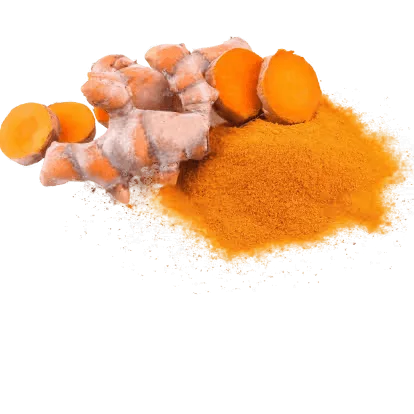
| What it is | Turmeric is the golden root spice; curcumin is its main active compound. |
| Why nerves | Curcumin is an antioxidant traditionally associated with supporting a healthy inflammatory response — part of the environment nerves live in. |
| The catch | Curcumin is poorly absorbed alone; it is usually paired with piperine (black pepper) to boost uptake. |
| Dosage context | Curcumin extracts are commonly used at ~500–1000 mg/day. Read the label; ask your doctor if unsure. |
| See a doctor | Numbness, tingling, burning or weakness that is new, getting worse, spreading or affecting one side of the body only — and any nerve symptom that follows an injury or begins soon after a new medication. |
| Why it matters | Those patterns can point to diabetes, a compressed or trapped nerve, a vitamin B12 deficiency, thyroid disease or alcohol-related nerve damage. All of them are found with tests and treated by a clinician, not by a capsule. |
| What this article is | Plain-language background on one ingredient. It is not medical advice, and nothing described here — Nervixol included — is a treatment or cure for neuropathy or any nerve condition. |
Turmeric has gone from a kitchen-cupboard spice to one of the most searched supplements in the world — and for a nerve-health audience, the interest is well placed. The reason comes down to a single active compound, curcumin, and its relationship with two things nerves care about: oxidative stress and the body's inflammatory response. But turmeric also comes with the single biggest “gotcha” in the supplement aisle: on its own, curcumin is barely absorbed. This guide covers how turmeric and curcumin for nerve health actually work, why absorption is the whole ballgame, the dosage context, and how to read a label so you are not paying for a compound your body never sees.
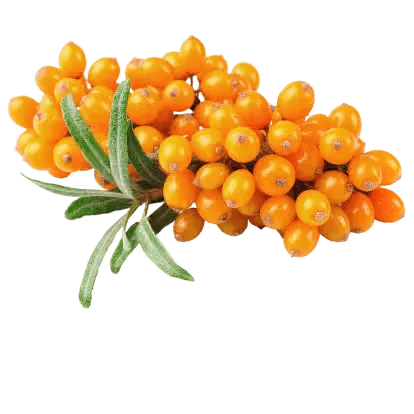
This is educational background about a traditional botanical, not a treatment for any condition. Turmeric is the antioxidant root in the Nervixol formula, sitting alongside sea buckthorn and bamboo in the antioxidant-plant part of the blend.
This distinction trips up a lot of shoppers, so it is worth being precise. Turmeric is the whole root — the bright orange-yellow spice you would use in cooking. Curcumin is one specific compound found inside it, the most studied member of a small group called the curcuminoids. Crucially, curcuminoids make up only about 2–5% of raw turmeric by weight. That means a teaspoon of turmeric powder contains a surprisingly small amount of the active you are actually reading about.
This is why serious nerve-support formulas use a standardised curcumin extract (often listed as “standardised to 95% curcuminoids”) rather than plain turmeric powder — it concentrates the active many times over into a measurable dose. The same logic applies here as with standardised ginkgo extract: the concentration on the label matters as much as the milligram figure.
Curcumin's relevance to nerves flows from two well-studied properties.
1. Antioxidant activity. Like alpha-lipoic acid, curcumin helps the body neutralise free radicals and is associated with supporting the body's own antioxidant defences. Because nerve tissue is exposed to oxidative stress, antioxidant support is a recurring theme across the whole nerve-health category.
2. A healthy inflammatory response. Curcumin is most famous for its traditional association with supporting a balanced, healthy inflammatory response. Everyday, low-grade inflammation is part of the environment surrounding nerves, so ingredients linked to a calmer inflammatory picture are a natural fit in a nerve-support blend. Note the careful wording: this is about supporting normal, healthy function, not treating inflammation as a disease.
Together these make curcumin a complementary partner to the circulation and adaptogen ingredients — it works on the antioxidant and inflammatory environment, while ginkgo supports blood flow and ashwagandha supports the stress response.
Here is the most important practical fact about turmeric supplements: curcumin, taken alone, is poorly absorbed. It does not dissolve well in water, it is broken down quickly, and much of a plain dose passes through without ever reaching your bloodstream. A high milligram number on the label means very little if the curcumin never gets absorbed.
Reputable formulas solve this in one of a few ways:
When you compare turmeric products, the absorption strategy is arguably more important than the raw milligrams. A smaller, well-absorbed dose can outperform a large, poorly absorbed one. If a label is silent on absorption, treat that as a gap.
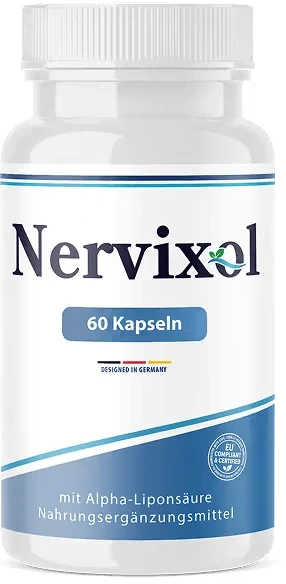
Nervixol brings turmeric together with alpha-lipoic acid, ginkgo, ashwagandha, sea buckthorn and bamboo in one daily capsule — backed by a 60-day money-back guarantee.
See Nervixol PackagesStandardised curcumin extracts are commonly used at around 500–1000 mg per day, usually with a small amount of piperine to aid absorption. Because the extract is concentrated, these numbers deliver far more active than the equivalent weight of turmeric powder.
Whole-turmeric doses are necessarily much higher to reach a comparable curcumin amount, which is another reason concentrated extracts are preferred in supplements. Culinary turmeric in food remains a lovely everyday habit, but it is not a reliable way to hit a measured curcumin dose.
As with every botanical on this site, curcumin's everyday benefits are judged over weeks, not days. Give it a consistent 8–12 week run alongside the habits in our guide to supporting nerve health naturally, and see our full supplement label checklist before you buy.
Culinary turmeric is generally considered safe for most people. Concentrated curcumin supplements, however, warrant more caution for certain groups, who should speak with a qualified healthcare professional first:
This is general information, not personal medical advice. When adding any concentrated botanical, a quick check with your doctor or pharmacist is always worthwhile.
Turmeric's active compound, curcumin, is a plant antioxidant traditionally associated with supporting the body's healthy inflammatory response and with antioxidant protection. Because oxidative stress and everyday inflammation are part of the environment nerves live in, curcumin is often included in nerve-support blends. It supports normal, healthy function rather than treating any medical condition.
Turmeric is the whole golden root (a common spice), while curcumin is the specific active compound within it. Curcumin and its close relatives, the curcuminoids, make up only about 2 to 5 percent of raw turmeric by weight, which is why concentrated curcumin extracts are used when a meaningful, measured dose is the goal.
On its own, curcumin is poorly absorbed and cleared quickly by the body. The most common solution is to pair it with piperine, a compound from black pepper that can dramatically increase absorption; other approaches use specially formulated or fat-based curcumin. A good label will explain which absorption method it uses.
Standardised curcumin extracts are commonly used in the range of roughly 500 to 1000 mg per day, often with a small amount of piperine to aid absorption. Whole-turmeric doses are higher because the curcumin content is much lower. The right amount depends on the extract, so read the label and ask a qualified professional if unsure.
Concentrated curcumin may interact with blood-thinning medication and can affect people with gallbladder issues, so those groups — and anyone pregnant or on regular medication — should speak with a qualified healthcare professional first. Culinary turmeric in food is generally considered safe for most people.
| Who we are | An independent team focused on plain-language nerve-health education — ingredients, mechanisms and daily habits. We translate research into practical background. We are an independent guide rather than the manufacturer or seller of Nervixol, and we are transparent that we earn a commission when a reader buys through our links. |
| Our promise | We describe traditional and general use, we avoid disease claims, and we always point you to a qualified professional for personal medical decisions. |
Curcumin is the yellow polyphenol that gives turmeric its colour and most of its research profile. Its central problem is not activity but delivery: swallowed as plain powder, very little of it reaches the bloodstream.
That problem was documented early. A paper in Molecular Pharmaceutics titled “Bioavailability of curcumin: problems and promises” laid out the pharmacokinetics, and a study in Planta Medica on the influence of piperine on the pharmacokinetics of curcumin in animals and human volunteers is the original source of the black-pepper trick that nearly every curcumin label now uses.
On outcomes, a GRADE-assessed systematic review and dose-response meta-analysis of randomised controlled trials in Cytokine pooled the antioxidant and anti-inflammatory effects of curcumin and turmeric supplementation in adults. Nerve-specific work is still mostly preclinical: a review in Antioxidants on the potential of curcumin for peripheral neuropathies is candid that the promising results are largely from animal models.
Curcumin is also the ingredient most likely to interact with a blood thinner, and it can upset an empty stomach. For the rest of the antioxidant blend, see our guides to sea buckthorn and NAC and glutathione.
Every PubMed link above was opened and checked against the claim it is cited for. Research on an ingredient is not evidence about any finished product. Last verified 3 September 2026.
† These statements have not been evaluated by the FDA. This product is not intended to diagnose, treat, cure or prevent any disease. This article is for general information only and is not medical advice. If you take blood-thinning medication, have gallbladder issues, or are pregnant or breastfeeding, consult a qualified healthcare professional before using concentrated curcumin.
Affiliate disclosure: this is an independent guide, not the manufacturer or seller. Some links on this page are affiliate links and we may earn a commission at no extra cost to you, which never changes what is written here.