
| What it is | NAC (N-acetyl cysteine) is a stable, well-absorbed form of the amino acid cysteine. |
| Why nerves | Cysteine is the limiting building block for glutathione, the body's master antioxidant — so NAC supports the antioxidant defence nerve cells rely on. |
| Dosage context | Common intakes are ~600–1,200 mg/day, sometimes split in two. Can be taken with or without food. |
| Timeframe | Give a routine 8–12 weeks of consistency; results vary. |
| See a doctor | Numbness, tingling, burning or weakness that is new, getting worse, spreading or affecting one side of the body only — and any nerve symptom that follows an injury or begins soon after a new medication. |
| Why it matters | Those patterns can point to diabetes, a compressed or trapped nerve, a vitamin B12 deficiency, thyroid disease or alcohol-related nerve damage. All of them are found with tests and treated by a clinician, not by a capsule. |
| What this article is | Plain-language background on one ingredient. It is not medical advice, and nothing described here — Nervixol included — is a treatment or cure for neuropathy or any nerve condition. |
Antioxidants are a recurring theme in nerve health, and for good reason: nerve cells are metabolically busy, and busy cells generate free radicals that need to be kept in check. N-acetyl cysteine, almost always shortened to NAC, is one of the most interesting entries in this category — not because it is a powerful antioxidant itself, but because it is the raw material the body uses to build its own master antioxidant, glutathione. This guide explains what NAC actually does for the nerves, how the glutathione connection works, the dosage context people use, when to take it, and how to read it on a label. Nothing here is a treatment for a medical condition — it is background so you can make an informed choice.
NAC for nerve health is really a story about giving the body the ingredient it needs to protect its own cells.
N-acetyl cysteine is a stable, well-absorbed form of the amino acid cysteine. The “N-acetyl” part is a small chemical group attached to cysteine that makes it more stable and easier for the body to use. Cysteine is one of the three amino acids the body assembles into glutathione, and — crucially — it is usually the limiting ingredient. In other words, the body often has plenty of the other two building blocks but not enough cysteine, so supplying cysteine via NAC can help support glutathione production.
That is the key insight: NAC is valued less for what it does directly and more for what it lets the body make.
To understand NAC's nerve relevance, you first have to meet glutathione.
1. Glutathione is the master antioxidant. Made inside cells, glutathione helps neutralise free radicals, supports the body's detoxification pathways, and even helps recycle other antioxidants like vitamins C and E back to their active state. It is one of the body's most important internal defence systems, and it is produced continuously as long as the raw materials are available.
2. NAC keeps the glutathione supply topped up. By supplying the limiting cysteine, NAC supports the body's ability to keep making glutathione. Think of glutathione as a workforce and cysteine as the material it needs to keep working; NAC delivers that material in a stable, usable form.
3. Nerve cells benefit from a balanced environment. Because nerve cells are energy-intensive, they generate oxidative by-products, and a well-supplied antioxidant system helps keep their internal environment balanced. That balance is part of what supports normal nerve function — the same protective theme behind the antioxidants in our guide to alpha-lipoic acid, which actually helps regenerate glutathione, and turmeric and curcumin.
A natural question is: why not just take glutathione itself? The answer comes down to absorption.
Glutathione is a fragile molecule, and oral glutathione has historically been considered less reliably absorbed because digestion can break it apart before it reaches the cells that use it. Supplying the building blocks and letting the body assemble glutathione inside the cell sidesteps that problem, which is a big part of why NAC is so widely used.
Liposomal and other advanced glutathione formulas aim to improve direct absorption, and they have their place. But NAC remains a popular, well-studied and economical precursor — the practical way most people support their glutathione system. Choosing between these delivery approaches is exactly the kind of decision we help with in how to choose a nerve health supplement.
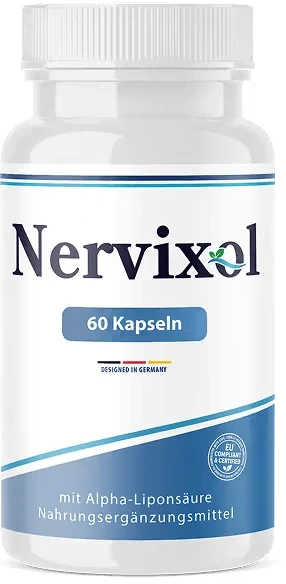
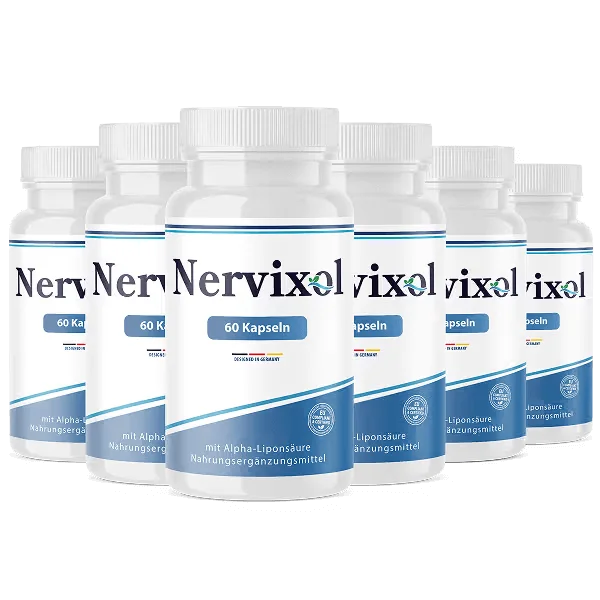
Nervixol focuses on a botanical blend — alpha-lipoic acid, ginkgo, ashwagandha, turmeric, sea buckthorn and bamboo — in one daily capsule, designed to sit alongside an antioxidant-rich diet and everyday healthy habits. Backed by a 60-day money-back guarantee.
See Nervixol PackagesSupplements are not the only way to support your glutathione system. A diet rich in the right building blocks and cofactors helps as well:
The honest catch is that the body's own glutathione tends to decline with age and can be depleted by stress and a heavy toxic load, so a nutrient-rich diet forms the foundation while a precursor like NAC offers a reliable way to support the system.
Common supplement intakes land around 600 to 1,200 mg per day, frequently split into two doses. NAC can be taken with or without food, although some people find it gentler on the stomach when taken with a meal. As with any supplement, the label should clearly state the milligram amount of NAC per serving.
Because antioxidants tend to work as a network, NAC is often taken alongside other antioxidants such as alpha-lipoic acid, vitamin C and CoQ10, each supporting the others. There is no single “correct” time of day; consistency matters more than timing.
NAC has a long history of use, and its regulatory status as a supplement has been the subject of discussion in some markets. Buy from reputable brands that provide clear labelling and third-party testing.
An important safety note. NAC can have a mild blood-thinning effect and may interact with certain medications, including nitroglycerin. If you take any prescription medication, are pregnant, or have a health condition such as asthma, speak with a qualified healthcare professional before starting NAC. This article is general information, not a dosing prescription.
NAC is a good illustration of how the body's antioxidant defences work as an interconnected network rather than a single ingredient. Its role in glutathione production complements the fat-soluble antioxidants and the mineral regulators like magnesium, alongside the everyday habits in our overview of everyday nerve support. As always, consistency over weeks and months is what turns any of these from a good idea into a real routine.
NAC (N-acetyl cysteine) supplies cysteine, the building-block amino acid the body uses to make glutathione — its master antioxidant. By supporting glutathione production, NAC helps the body's defence against oxidative stress, an important part of the environment in which nerve cells function normally. This describes general antioxidant support, not treatment of any medical condition.
Glutathione is often called the body's master antioxidant. It is produced inside cells and helps neutralise free radicals and recycle other antioxidants. Because nerve cells generate a lot of metabolic activity, a healthy glutathione system is part of keeping their internal environment balanced. NAC is a convenient way to supply the cysteine that glutathione production depends on.
Common supplement intakes fall around 600 to 1,200 mg per day, sometimes split into two doses. NAC can be taken with or without food, though some people find it gentler with a meal. The right amount depends on your goals and health, so check with a qualified professional, especially if you take medication.
They are related but not identical. Oral glutathione has historically been considered less well absorbed because it can be broken down in digestion, so many people take NAC instead to give the body the raw material to make its own glutathione inside the cell. Newer glutathione forms aim to improve absorption, but NAC remains a popular, well-studied precursor.
Yes, antioxidants often work as a network, each supporting the others. NAC's role in glutathione production complements fat-soluble antioxidants such as alpha-lipoic acid and CoQ10. As always, keep total intakes sensible and speak with a qualified professional if you take medication or have a health condition.
| Who we are | An independent team focused on plain-language nerve-health education — ingredients, mechanisms and daily habits. We translate research into practical background. We are an independent guide rather than the manufacturer or seller of Nervixol, and we are transparent that we earn a commission when a reader buys through our links. |
| Our promise | We describe traditional and general use, we avoid disease claims, and we always point you to a qualified professional for personal medical decisions. |
N-acetyl cysteine supplies cysteine, the rate-limiting building block of glutathione — the antioxidant the body makes for itself and keeps inside its own cells. That is the entire basis of the nerve-health argument for NAC, and it is a mechanistic one.
A paper in Free Radical Research setting out why NAC works as an antioxidant and disulphide-breaking agent explains the chemistry plainly, and a review in Pharmacology & Therapeutics argues that some of NAC’s effects run through hydrogen sulfide and sulfane sulfur species rather than glutathione alone.
For the clinical picture, a review in Current Neuropharmacology on the multifaceted therapeutic role of NAC in disorders characterised by oxidative stress collects where NAC has been trialled. Note what is missing: there is no body of evidence that NAC relieves numbness or tingling in otherwise healthy adults, and NAC can interact with nitroglycerin and some other medicines.
NAC sits on the defensive side of cell metabolism; the productive side is covered in our guides to acetyl-L-carnitine and CoQ10 for nerve health.
Every PubMed link above was opened and checked against the claim it is cited for. Research on an ingredient is not evidence about any finished product. Last verified 3 September 2026.
† These statements have not been evaluated by the FDA. This product is not intended to diagnose, treat, cure or prevent any disease. This article is for general information only and is not medical advice. If you take medication (including nitroglycerin), are pregnant, or have a condition such as asthma, consult a qualified healthcare professional before using NAC.
Affiliate disclosure: this is an independent guide, not the manufacturer or seller. Some links on this page are affiliate links and we may earn a commission at no extra cost to you, which never changes what is written here.