
| What it is | CoQ10 (coenzyme Q10) is a vitamin-like compound your body makes; it is concentrated in the mitochondria, the cell's power plants. |
| Why nerves | It is essential for making cellular energy (ATP) and works as a fat-soluble antioxidant — two things energy-hungry nerve cells rely on. |
| Dosage context | Common intakes are ~100–200 mg/day, taken with a fatty meal. Choose ubiquinone or ubiquinol depending on absorption needs. |
| Timeframe | Give a routine 8–12 weeks of consistency; results vary and levels build gradually. |
| See a doctor | Numbness, tingling, burning or weakness that is new, getting worse, spreading or affecting one side of the body only — and any nerve symptom that follows an injury or begins soon after a new medication. |
| Why it matters | Those patterns can point to diabetes, a compressed or trapped nerve, a vitamin B12 deficiency, thyroid disease or alcohol-related nerve damage. All of them are found with tests and treated by a clinician, not by a capsule. |
| What this article is | Plain-language background on one ingredient. It is not medical advice, and nothing described here — Nervixol included — is a treatment or cure for neuropathy or any nerve condition. |
If magnesium is the nerve's regulator and omega-3 is its building material, CoQ10 is closer to its fuel line. Coenzyme Q10 sits at the heart of how cells turn food into usable energy, and it doubles as an antioxidant that protects the fatty membranes around those cells. Both of those jobs matter a great deal to nerve tissue, which is unusually energy-hungry. This guide explains what CoQ10 actually does for the nerves, why the ubiquinone-versus-ubiquinol choice matters, the dosage context people use, how to help your body absorb it, and how to read it on a label. Nothing here is a treatment for a medical condition — it is background so you can make an informed choice.
CoQ10 for nerve health is really a story about energy and protection working together in the same molecule.
Coenzyme Q10 is a fat-soluble, vitamin-like substance found in virtually every cell of the body — the name “ubiquinone” even comes from “ubiquitous,” because it is everywhere. It is especially concentrated in tissues with high energy demands. Unlike a true vitamin, the body can manufacture its own CoQ10, but here is the catch: natural production tends to decline with age, and certain medications (notably statins) and health conditions can lower it further.
That age-related dip is a big reason CoQ10 is such a popular supplement for people over 40, and why it comes up so often in conversations about energy and healthy ageing.
CoQ10 earns its place through two distinct but complementary roles.
1. It powers cellular energy. Inside every cell are tiny power plants called mitochondria, and CoQ10 is an essential part of the “electron transport chain” — the assembly line that produces ATP, the molecule cells burn for energy. Nerve cells are famously energy-hungry: transmitting signals is metabolically expensive work. Adequate CoQ10 helps keep that energy supply running smoothly, which underpins normal nerve function.
2. It is a fat-soluble antioxidant. CoQ10 is one of the few antioxidants the body makes that is fat-soluble, meaning it can work inside the fatty membranes that wrap nerve cells. There it helps neutralise the free radicals produced as a by-product of energy metabolism — a bit like a fire crew stationed right next to the furnace. This protective role complements the antioxidant network of ingredients such as alpha-lipoic acid, which we cover separately.
Because these two jobs — energy production and membrane protection — are exactly what a hard-working nerve cell needs, CoQ10 is often grouped with the other “mitochondrial” nutrients. For the fatty-acid side of that same energy story, see our guide to acetyl-L-carnitine for nerve health, which shuttles fuel into the mitochondria that CoQ10 then helps burn.
This is the single most common question when shopping for CoQ10, and the two names describe the same compound in two different states.
This is the classic, most-studied and most affordable form. It is very stable and works well for most people. The body converts ubiquinone into the active form as needed.
This is the pre-converted, “ready-to-use” form. Some people — particularly older adults, whose conversion may be less efficient — find ubiquinol easier to absorb. It tends to cost more and is slightly less stable.
Both forms work because the body interconverts them. Ubiquinone is a sensible, economical default; ubiquinol is worth considering if absorption is a priority or you are older. Either way, the label should name the exact form and the milligram amount — the kind of clarity we always look for in how to choose a nerve health supplement.
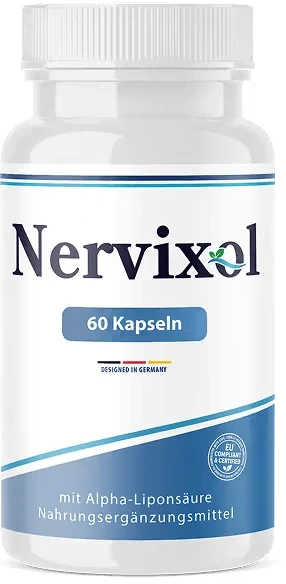
Nervixol focuses on a botanical blend — alpha-lipoic acid, ginkgo, ashwagandha, turmeric, sea buckthorn and bamboo — in one daily capsule, designed to sit alongside an energy-supportive diet and everyday healthy habits. Backed by a 60-day money-back guarantee.
See Nervixol PackagesYou can get some CoQ10 from food, though the amounts are modest compared with a supplement:
The honest catch is that even a good diet supplies only a fraction of the amounts used in supplements, and the body's own production falls with age. That combination is why people who want a meaningful CoQ10 intake usually turn to a supplement rather than relying on food alone.
There is no official recommended intake, but common wellness doses land around 100 to 200 mg per day, with some products going higher for specific goals under guidance.
CoQ10 is fat-soluble and notoriously hard to absorb, so how you take it matters as much as how much. Take it with a meal that contains fat, and look for formulas designed for better absorption (softgels in oil, for example). Splitting a larger dose across two meals can also help.
People over 40, those taking statin medication (which can lower the body's own CoQ10), and anyone focused on energy and healthy ageing are the most common users. That statin point cuts both ways, though, which brings us to safety.
An important safety note. CoQ10 may interact with blood-thinning medication, and if you take statins or any prescription drug you should speak with a qualified healthcare professional before supplementing. This article is general information, not a dosing prescription.
CoQ10 illustrates how nerve support is really about supporting the cell as a whole — its energy, its membranes and its antioxidant defences. It pairs naturally with the mineral and vitamin regulators like magnesium and with the everyday habits in our overview of everyday nerve support. Because CoQ10 builds up gradually and depends on good absorption, consistency and taking it with food are what turn it from a good idea into a real routine.
CoQ10 has two jobs that matter for nerves: it is essential for producing cellular energy (ATP) inside mitochondria, and it is a fat-soluble antioxidant that helps protect cell membranes from oxidative stress. Because nerve cells are energy-hungry, adequate CoQ10 supports their normal function and upkeep rather than treating any medical condition.
Ubiquinone is the oxidised form of CoQ10 and is the more common, more affordable and very stable option. Ubiquinol is the pre-converted, reduced form that some people, especially older adults, may absorb more readily. The body interconverts the two, so either can work; ubiquinol is often preferred when absorption is a priority.
Common wellness intakes fall around 100 to 200 mg per day, though some products go higher. CoQ10 is fat-soluble, so it is best absorbed when taken with a meal that contains fat. The right amount depends on your goals and health, so check with a qualified professional, especially if you take medication.
Statin medications can lower the body's own CoQ10 levels, which is one reason people on statins sometimes consider supplementing. CoQ10 may also interact with blood-thinning medication. If you take either, speak with a qualified healthcare professional before starting a CoQ10 supplement.
The body makes its own CoQ10, but natural production tends to decline with age, and certain medications and health conditions can lower it further. Because CoQ10 is central to cellular energy and antioxidant defence, this age-related dip is part of why it is a popular supplement for people over 40.
| Who we are | An independent team focused on plain-language nerve-health education — ingredients, mechanisms and daily habits. We translate research into practical background. We are an independent guide rather than the manufacturer or seller of Nervixol, and we are transparent that we earn a commission when a reader buys through our links. |
| Our promise | We describe traditional and general use, we avoid disease claims, and we always point you to a qualified professional for personal medical decisions. |
Coenzyme Q10 does two jobs at once: it ferries electrons along the mitochondrial respiratory chain, and it works as a fat-soluble antioxidant inside membranes. Both are relevant to nerve cells, which run continuously and cannot store much energy.
The antioxidant claim is the best supported in humans. A systematic review and meta-analysis of clinical trials in the European Journal of Clinical Pharmacology pooled the effect of CoQ10 supplementation on oxidative-stress parameters — a laboratory outcome, not a symptom outcome, which is an important distinction.
The clearest symptom-level evidence is not about nerves at all: an updated meta-analysis of randomised controlled trials in the Journal of the American Heart Association examined CoQ10 in statin-induced myopathy. And an 2024 overview in the International Journal of Molecular Sciences surveys mitochondrial dysfunction and CoQ10 supplementation more broadly. Nobody has shown CoQ10 relieves numbness or tingling, and no honest label should imply it.
Because CoQ10 is fat-soluble, it is absorbed better with a meal containing fat — which is also true of the omega-3 fats that build nerve membranes, and one practical reason those two are often taken together.
Every PubMed link above was opened and checked against the claim it is cited for. Research on an ingredient is not evidence about any finished product. Last verified 3 September 2026.
† These statements have not been evaluated by the FDA. This product is not intended to diagnose, treat, cure or prevent any disease. This article is for general information only and is not medical advice. If you take statins, blood thinners or any prescription medication, consult a qualified healthcare professional before using CoQ10.
Affiliate disclosure: this is an independent guide, not the manufacturer or seller. Some links on this page are affiliate links and we may earn a commission at no extra cost to you, which never changes what is written here.