

| What it is | Omega-3 is a family of essential fats — the two that matter most for nerves are DHA and EPA, found in oily fish and algae. |
| Why nerves | DHA is a structural building block of nerve-cell membranes, keeping them fluid so signals pass cleanly; EPA supports healthy inflammatory balance. |
| Dosage context | Common wellness intakes are ~250–1,000 mg combined EPA+DHA/day. Read the EPA and DHA amounts, not the total oil weight. |
| Timeframe | Fats build into membranes slowly — give a routine 8–12 weeks of consistency; results vary. |
| See a doctor | Numbness, tingling, burning or weakness that is new, getting worse, spreading or affecting one side of the body only — and any nerve symptom that follows an injury or begins soon after a new medication. |
| Why it matters | Those patterns can point to diabetes, a compressed or trapped nerve, a vitamin B12 deficiency, thyroid disease or alcohol-related nerve damage. All of them are found with tests and treated by a clinician, not by a capsule. |
| What this article is | Plain-language background on one ingredient. It is not medical advice, and nothing described here — Nervixol included — is a treatment or cure for neuropathy or any nerve condition. |
Few nutrients are as literally built into your nervous system as the omega-3 fatty acids. Where magnesium and the B vitamins act as regulators and cofactors, omega-3s are raw construction material — the fats your body uses to build and maintain the delicate membranes that surround every nerve cell. This guide explains what omega-3 actually does for the nerves, why the difference between DHA and EPA matters, the dosage context people use, how fish oil compares with algae oil, and how to read the numbers that count on a supplement label. Nothing here is a treatment for a medical condition — it is background so you can make an informed choice.
Omega-3 for nerve health is a long game. These are structural fats, so the benefit comes from steady daily intake that slowly changes the make-up of your cell membranes, not from a single dose.
Omega-3s are a family of polyunsaturated fats your body cannot make in meaningful amounts, which is why they are called essential — you have to get them from food or supplements. There are three you will see named most often:
The catch with ALA is that the body converts only a small percentage of it into the DHA and EPA that nerve tissue actually uses. That is why oily fish and algae — which supply DHA and EPA directly — are considered the most efficient sources, and why plant seeds, though healthy, are not a reliable stand-in.
To understand omega-3's nerve role, picture a nerve cell as a structure wrapped in a fatty outer membrane. That membrane is not a rigid wall — it is a fluid, flexible layer, and its flexibility depends heavily on the type of fat built into it.
1. DHA keeps membranes fluid. DHA is a long, highly flexible molecule that slots into cell membranes and keeps them soft and pliable. Membrane fluidity matters because the receptors and channels that let a nerve receive and pass signals sit within that membrane; when it is flexible, they can move and work as intended. DHA is especially concentrated in the nervous system, which tells you how much the body prioritises it there.
2. EPA supports inflammatory balance. The body uses EPA to make signalling molecules involved in resolving inflammation — part of a healthy, self-regulating response. A calm background environment is exactly the kind of setting in which nerves are traditionally thought to function comfortably, which is why EPA and DHA are usually taken together.
3. They support the whole cell's health. Because these fats are structural, adequate omega-3 intake underpins the general upkeep of nerve-cell membranes over time — a slow, maintenance-style contribution rather than a fast-acting one.
This structural, membrane-building role makes omega-3 a natural partner to the more regulatory nutrients we cover elsewhere. For the mineral side of steady nerve signalling, see our guide to magnesium for nerve health; for the vitamins behind the nerve's protective coating, see B vitamins for nerve health.
This is the question shoppers most often get stuck on, and the honest answer is that they play different roles and both are useful.
Because DHA is the omega-3 most concentrated in nerve and brain tissue, it tends to be emphasised when the goal is nerve and cognitive support. If a product highlights nerve or brain health, it usually leans DHA-forward.
EPA is more associated with the body's inflammatory-balance and mood-related pathways. Products aimed at those goals often carry more EPA than DHA.
For most people supporting general nerve health, a supplement that supplies both EPA and DHA is the sensible default, since the two work as a team. What you should not do is buy on the total “fish oil” number alone — a 1,000 mg fish-oil softgel might contain only 300 mg of actual EPA plus DHA. The combined EPA+DHA figure is the number that counts, a principle we return to in how to choose a nerve health supplement.
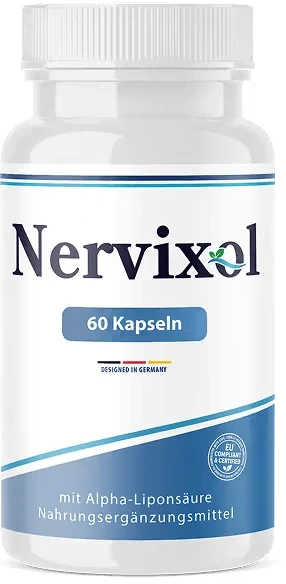
Nervixol focuses on a botanical blend — alpha-lipoic acid, ginkgo, ashwagandha, turmeric, sea buckthorn and bamboo — in one daily capsule, designed to sit alongside an omega-3-rich diet and everyday healthy habits. Backed by a 60-day money-back guarantee.
See Nervixol PackagesThe most efficient way to raise DHA and EPA is through marine sources, topped up with plant omega-3 for variety:
The honest catch is that many people simply do not eat oily fish two or more times a week, which is the general guidance often cited for adequate intake. That gap between how much DHA and EPA we need and how much we actually eat is the main reason omega-3 supplements are among the most popular in the world.
There is no single universal dose, but general wellness intakes commonly land around 250 to 1,000 mg of combined EPA and DHA per day, with many everyday supplements sitting in that band. Higher intakes are sometimes used under professional guidance.
The single most common labelling confusion is between the total fish-oil weight and the actual EPA+DHA content. A softgel can advertise a big total-oil number while delivering a modest amount of the omega-3s that matter. Always find the line that lists EPA and DHA in milligrams and add them together.
Fish oil is the traditional source; krill oil delivers omega-3 in a slightly different chemical form; and algae oil is a fully plant-based option suitable for vegetarians and vegans. None is automatically “best” — the deciding factors are the delivered EPA and DHA amount, freshness, and third-party purity testing for contaminants.
An important safety note. Omega-3s can have a mild blood-thinning effect, so anyone taking anticoagulant medication, or preparing for surgery, should speak with a qualified healthcare professional before supplementing. This article is general information, not a dosing prescription.
Omega-3 is a perfect example of why nerve support works best as a team rather than a single hero ingredient. Its structural, membrane-building role complements the antioxidant protection of ingredients like turmeric and curcumin and the daily habits in our overview of everyday nerve support. Because omega-3s are built into cells slowly, consistency over weeks and months is what turns them from a good idea into a real routine.
Omega-3 fatty acids, especially DHA, are structural building blocks of the membranes that wrap every nerve cell. DHA keeps those membranes fluid and flexible so signals pass cleanly, while EPA supports the body's healthy inflammatory balance. Together they help maintain normal nerve-cell structure and function rather than treating any medical condition.
DHA (docosahexaenoic acid) is the main structural omega-3 concentrated in nerve and brain tissue, so it is often emphasised for nerve and cognitive support. EPA (eicosapentaenoic acid) is more associated with the body's inflammatory-balance and mood-related pathways. Most people benefit from a supplement that supplies both, since they work together.
General wellness intakes commonly fall around 250 to 1,000 mg of combined EPA and DHA per day, with many supplements landing in that range. Read the label for the actual EPA and DHA amounts, not just the total fish-oil weight, and speak with a qualified professional if you take blood-thinning medication.
Algae oil is a plant-based source of DHA (and some products of EPA) that suits vegetarians and vegans, since fish get their omega-3 from algae in the first place. Fish oil and krill oil are the traditional sources. What matters most is the delivered EPA and DHA amount and third-party purity testing, not the source name alone.
Flaxseed, chia and walnuts provide ALA (alpha-linolenic acid), a plant omega-3. The body converts only a small fraction of ALA into the DHA and EPA that nerve tissue uses, so plant seeds are a helpful addition but an inefficient way to raise DHA. Marine or algae sources deliver DHA and EPA directly.
| Who we are | An independent team focused on plain-language nerve-health education — ingredients, mechanisms and daily habits. We translate research into practical background. We are an independent guide rather than the manufacturer or seller of Nervixol, and we are transparent that we earn a commission when a reader buys through our links. |
| Our promise | We describe traditional and general use, we avoid disease claims, and we always point you to a qualified professional for personal medical decisions. |
Omega-3 fatty acids are structural: DHA is built directly into neuronal membranes and keeps them fluid, while EPA feeds the signalling molecules that resolve inflammation. That makes them a plausible nerve ingredient, and it has been tested.
The most directly relevant work is a systematic review and meta-analysis in Nutrition Reviews on omega-3 polyunsaturated fatty acid oral supplements for improving peripheral nerve health. More recently, a Cochrane review of omega-3 supplementation for distal symmetrical peripheral neuropathy in adults with diabetes applied the strictest available standard to the same question — and Cochrane reviews are worth reading precisely because they tend to temper enthusiasm.
For the underlying biology, a review of DHA effects in brain development and function published in Nutrients explains why DHA in particular is concentrated in nervous tissue. What none of this supports is treating an existing neuropathy with fish oil.
Omega-3s are fat-soluble and are absorbed with a meal, which is the same practical rule that applies to vitamin D and to CoQ10.
Every PubMed link above was opened and checked against the claim it is cited for. Research on an ingredient is not evidence about any finished product. Last verified 3 September 2026.
† These statements have not been evaluated by the FDA. This product is not intended to diagnose, treat, cure or prevent any disease. This article is for general information only and is not medical advice. If you take blood-thinning medication or are preparing for surgery, consult a qualified healthcare professional before using omega-3 supplements.
Affiliate disclosure: this is an independent guide, not the manufacturer or seller. Some links on this page are affiliate links and we may earn a commission at no extra cost to you, which never changes what is written here.