

| What it is | Ashwagandha is an adaptogenic root used for centuries in Ayurvedic tradition to help the body cope with stress. |
| Why nerves | Chronic stress and poor sleep are hard on the nervous system; ashwagandha is associated with a calmer, more balanced stress response. |
| Active compounds | Withanolides — look for a standardised percentage on the label (often 1.5–5%). |
| Dosage context | Research commonly uses ~250–600 mg/day of a standardised extract. Ask your doctor if unsure. |
| See a doctor | Numbness, tingling, burning or weakness that is new, getting worse, spreading or affecting one side of the body only — and any nerve symptom that follows an injury or begins soon after a new medication. |
| Why it matters | Those patterns can point to diabetes, a compressed or trapped nerve, a vitamin B12 deficiency, thyroid disease or alcohol-related nerve damage. All of them are found with tests and treated by a clinician, not by a capsule. |
| What this article is | Plain-language background on one ingredient. It is not medical advice, and nothing described here — Nervixol included — is a treatment or cure for neuropathy or any nerve condition. |
Most conversations about nerve supplements focus on antioxidants and circulation — and rightly so. But there is a second, quieter piece of the puzzle that is easy to overlook: the state of your nervous system as a whole. Ongoing stress, tension and broken sleep are genuinely hard on nerves over time, and this is exactly the territory where ashwagandha for nerves earns its place in the conversation. This guide explains what ashwagandha is, what an adaptogen actually does, the withanolide compounds that make it work, how to read the extract on a label, and the dosage context researchers use.
As with everything on this site, this is educational background about a traditional botanical, not a treatment for any condition. Ashwagandha is the adaptogenic root in the Nervixol formula, chosen to complement the antioxidant and circulation ingredients rather than duplicate them.
Ashwagandha (Withania somnifera), sometimes called Indian ginseng or winter cherry, is a small shrub whose root has been used in Ayurvedic tradition for thousands of years. Its Sanskrit name loosely translates to “smell of the horse,” a nod both to the root's earthy aroma and to the strength it was traditionally believed to impart. Today it is one of the most widely studied botanicals in the adaptogen category.
The part used in quality supplements is almost always the root, prepared as a concentrated, standardised extract. As with ginkgo, the raw plant and a standardised extract are not the same thing — the extract is what delivers a consistent, measured dose of the actives.
An adaptogen is a plant traditionally used to help the body adapt to stress and return to balance. The idea is not to sedate you or to stimulate you, but to support a steadier response to the everyday pressures that push the nervous system out of equilibrium. That is why adaptogens are described as helping the body cope rather than forcing a single direction.
Here is the link to nerve health, in plain terms. When the body is under sustained stress, it runs high on the stress hormone cortisol, sleep suffers, and muscles and nerves stay tense. None of that is kind to the nervous system over months and years. By supporting a calmer, more balanced stress response, ashwagandha addresses the environment your nerves live in — a different job from the antioxidant work of alpha-lipoic acid or the circulation support of ginkgo biloba, and one reason the three are so often combined.

The activity of ashwagandha is attributed largely to a family of naturally occurring compounds called withanolides. These are the molecules that a good extract is standardised to, and they are the reason a label should state a percentage rather than just naming the herb.
Standardised ashwagandha extracts commonly declare a withanolide content somewhere between 1.5% and 5%. A higher percentage means a more concentrated extract, so — exactly as with ginkgo — the milligram figure and the standardisation percentage have to be read together. Some branded, well-researched extracts specify both their withanolide percentage and the part of the plant used; that transparency is a good sign.
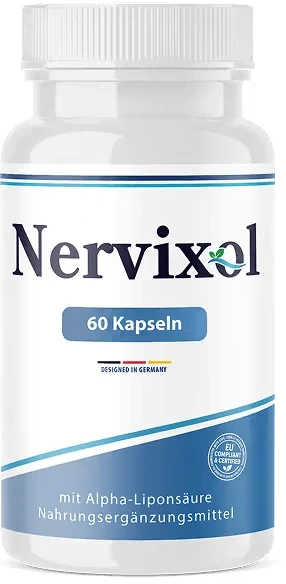
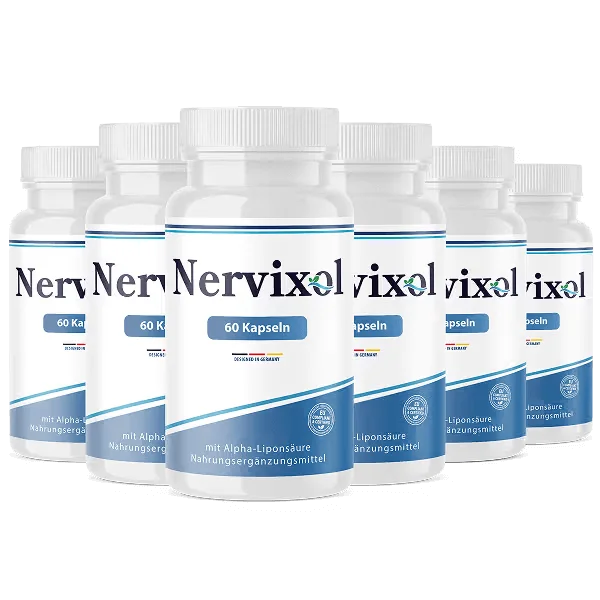
Nervixol combines standardised ashwagandha with alpha-lipoic acid, ginkgo, turmeric, sea buckthorn and bamboo — a single daily capsule, backed by a 60-day money-back guarantee.
See Nervixol PackagesResearch on standardised root extracts has most often used amounts in the region of 250–600 mg per day. As always, the concentration of the extract changes what that number means — a highly standardised extract delivers more withanolides per milligram than a weak one.
Both are popular. Because ashwagandha's character is calming rather than stimulating, many people take it in the evening to support winding down and restful sleep. Others prefer the morning as part of a fixed daily routine. Neither is wrong; the best time is the one you will remember every day, because consistency is what makes an adaptogen worthwhile.
Adaptogens are not an instant switch. The body adjusts gradually, and most studies run for 8–12 weeks. Give any ashwagandha routine that kind of window, and pair it with the sleep, movement and steady-blood-sugar habits covered in our guide to supporting nerve health naturally.
Ashwagandha is generally well tolerated, but a few groups should take extra care and speak with a qualified healthcare professional first:
This is general information, not personalised medical advice. If you are unsure whether ashwagandha fits your situation, a conversation with your doctor or pharmacist is the right next step. For a full walkthrough of how to vet any nerve product, see how to choose a nerve health supplement.
Ashwagandha is an adaptogen — a plant traditionally used to help the body manage stress. Its active withanolide compounds are associated with supporting a balanced stress response and a calmer nervous system, which is relevant because chronic stress and disrupted sleep are hard on nerves over time. It supports the body's normal stress response rather than treating any medical condition.
Withanolides are the main family of active compounds in ashwagandha root. Standardised extracts state a withanolide percentage — commonly between 1.5% and 5% — so you know how concentrated the extract is. A named, standardised extract on the label is a sign of a quality product.
Research on standardised root extracts has commonly used amounts in the range of roughly 250 to 600 mg per day. The right amount depends on the extract's concentration and your own situation, so read the label and speak with a qualified healthcare professional, especially if you take medication or have a thyroid condition.
Both are common. Many people take ashwagandha in the evening because its calming, adaptogenic character can support winding down and restful sleep; others take it in the morning as part of a daily routine. Consistency day to day matters more than the exact time, so pick a slot you will keep.
Adaptogens work gradually as the body adjusts. Studies typically run for 8 to 12 weeks of consistent daily use, and that is a reasonable window to give a routine before judging it. Individual results vary and are not guaranteed.
| Who we are | An independent team focused on plain-language nerve-health education — ingredients, mechanisms and daily habits. We translate research into practical background. We are an independent guide rather than the manufacturer or seller of Nervixol, and we are transparent that we earn a commission when a reader buys through our links. |
| Our promise | We describe traditional and general use, we avoid disease claims, and we always point you to a qualified professional for personal medical decisions. |
Ashwagandha (Withania somnifera) is an adaptogen, meaning it is studied for how it changes the body’s response to stress rather than for any direct effect on nerve tissue. That distinction decides which claims are fair.
The strongest summary of the human data is a 2022 systematic review and meta-analysis of randomised controlled trials in Phytotherapy Research, which pooled the trials asking whether ashwagandha supplementation benefits the management of anxiety and stress. Underneath it sits work such as a randomised, double-blind, placebo-controlled study of an ashwagandha extract published in Medicine in 2019, which measured stress-relieving and pharmacological actions directly.
A double-blind, randomised, placebo-controlled trial of ashwagandha root extract in adults under chronic stress extended the same question to body-weight management under chronic stress. What none of these trials tested is nerve conduction, numbness or tingling — so ashwagandha belongs in a nerve formula as a stress ingredient, not as a nerve treatment.
If your interest in ashwagandha is really about tense, restless evenings, read it alongside our guide to magnesium for nerve health; if it is about the antioxidant side of the same picture, see NAC and glutathione.
Every PubMed link above was opened and checked against the claim it is cited for. Research on an ingredient is not evidence about any finished product. Last verified 3 September 2026.
† These statements have not been evaluated by the FDA. This product is not intended to diagnose, treat, cure or prevent any disease. This article is for general information only and is not medical advice. If you have a thyroid or autoimmune condition, take medication, or are pregnant or breastfeeding, consult a qualified healthcare professional before using ashwagandha.
Affiliate disclosure: this is an independent guide, not the manufacturer or seller. Some links on this page are affiliate links and we may earn a commission at no extra cost to you, which never changes what is written here.